

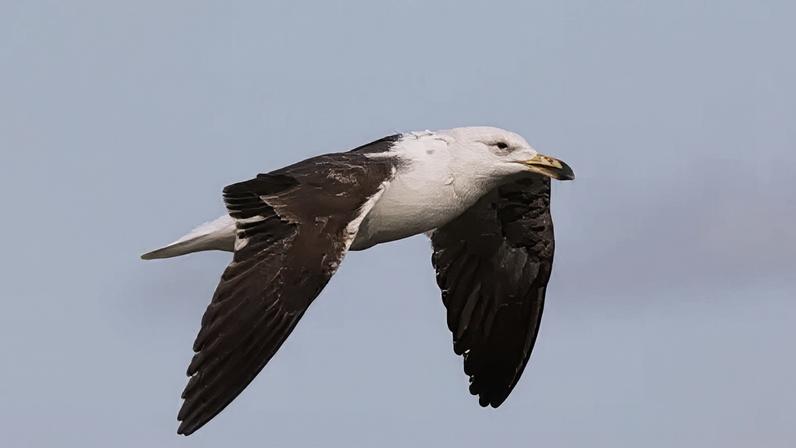
- Aves marinhas, como albatrozes, são mortas pela pesca com linhas longas, que podem ter até 100 quilômetros de extensão e 4.000 anzóis, causando bycatch.
- Em viagens de observação, barcos se aproximam de barcos de pesca para mostrar aos spectator aves atraídas por restos do pescado.
- O Albatross Task Force, da BirdLife South Africa, atua desde 2004 para reduzir as mortes de albatrozes na pesca na região, com queda de cerca de 90% nos incidentes.
- Uma das estratégias é o uso de bird scaring lines (linhas de espantalho para aves), feitas com tiras coloridas para manter as aves longe das redes e anzóis, em parceria com a Ocean View Association for Persons with Disabilities.
- Além de proteger as aves, a iniciativa traz benefícios aos pesqueiros, que reduzem perdas de peixe valioso ao utilizarem linhas protegidas.
On a small boat off South Africa’s Cape Point, a tour operator guides birdwatchers to observe albatrosses and other seabirds. The trip, part of Cape Town Pelagics, aims to raise awareness about endangered species.
As the boat nears a commercial trawler, hundreds of seabirds appear in search of discarded fish parts. The birds follow the vessel, drawn by scraps tossed overboard during sorting and processing of the catch.
Long-line fishing, used to target tuna and other large species, poses the main danger. Lines can stretch up to 100 kilometers and carry around 4.000 hooks, attracting birds that try to grab bait and become entangled or drown.
Seabird bycatch is a global concern. Albatrosses spend much of their lives at sea, making them particularly vulnerable to fishing activity and to entanglement in nets and lines.
BirdLife South Africa plays a central role through the Albatross Task Force, which has operated for two decades to reduce seabird deaths linked to fishing. The group highlights the species’ vulnerability and life history traits.
Albatrosses are monogamous and raise a single chick every two years, sharing feeding duties. If a parent dies at sea, the chick’s survival chances diminish sharply, affecting long-term population recovery.
One mitigation is the use of bird-scaring lines, or Tori lines, that keep birds away from nets and hooks. These lines use bright streamers to deter birds from approaching gear.
Bird Life collaborates with the Ocean View Association for Persons with Disabilities, training members to produce bird-scaring lines. The initiative provides work and purpose for people with disabilities.
The program also notes the economic incentive for fishers: avoiding bird bycatch protects valuable catch and reduces losses from damaged gear. Some fishermen still skip lines due to time, safety, or quotas.
Since the Albatross Task Force was established in 2004, southern African fisheries have recorded a 90% drop in seabird deaths linked to fishing. Authorities hope to extend this success globally to safeguard albatross populations.


Entre na conversa da comunidade