

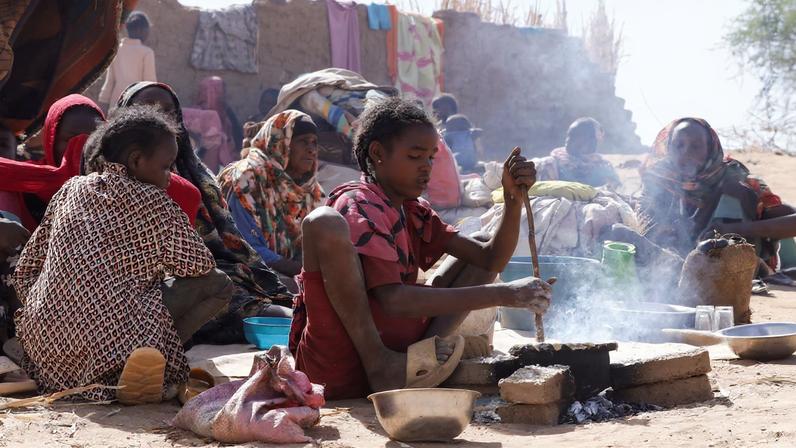
- A desnutrição aguda atingiu níveis de fome em duas áreas de Darfur norte, Um Baru e Kernoi, segundo o IPC, com a taxa de crianças sob cinco anos desnutridas quase dobrando o limiar de fome em Um Baru.
- O IPC alerta que a classificação não é oficial de fome, mas sinaliza níveis alarmantes de insegurança alimentar com base nos dados mais recentes.
- O conflito civil entre o RSF e o exército do Sudão, há quase três anos, gerou deslocamentos em massa e aumentou a violência étnica, atingindo áreas próximas à fronteira com o Chad.
- Estima-se quase 4,2 milhões de casos de desnutrição aguda no país, ante 3,7 milhões em 2025.
- Desafios de financiamento e acesso a serviços de saúde agravam a situação: em Kernoi apenas 25% das crianças com desnutrição grave estavam em tratamento, e agências apontam cortes de doações que dificultam a resposta.
Acute malnutrition has reached famine levels in two localities of North Darfur, Sudan, according to the IPC, a global hunger monitor. The alert comes amid a civil war that has displaced millions and fueled ethnic violence.
The IPC indicates Um Baru and Kernoi surpassed famine thresholds for acute malnutrition. In Um Baru, the share of acutely malnourished children under five nearly doubled the famine line. Kernoi also shows dire conditions.
The two areas are near the Chad border and received many of the tens of thousands who fled al-Fashir, a district previously classified as famine. Clashes around Kernoi and Um Baru followed efforts by armed groups to gain control.
Cases of acute malnutrition across Sudan are rising, with about 4.2 million people affected, up from 3.7 million in 2025, according to the IPC. The data reflect a worsening hunger crisis amid conflict nationwide.
Access to lifesaving health services is severely constrained in North Darfur, the IPC notes. In Kernoi, only a quarter of children with Severe Acute Malnutrition are enrolled in treatment programs.
Aid groups report that funding cuts are limiting response capacity. CARE International, citing donor shortfalls, warns that starvation has become entrenched in several areas where it operates.
Funding is urgently needed to scale up supplies before the rainy season and lean season, when previous harvest stocks are depleted or exhausted, CARE said. The statement highlights the urgency of expanding support to affected communities.

Entre na conversa da comunidade