


- Nepal tem taxa de desemprego entre jovens de 20,6%, a maior da região, segundo dados do Banco Mundial, enfatizando a crise de empregos no país.
- Cerca de três milhões de nepaleses de trinta milhões trabalham no exterior, principalmente no Oriente Médio; cerca de 1.500 jovens deixam o país por dia para trabalhar no exterior (Rastriya Shramik Mahasangh Nepal).
- Os principais partidos prometem criar empregos para conter a migração: Rastriya Swatantra Party (RSP) prevê 1,2 milhão de vagas, e o Nepali Congress (NC) promete 1,5 milhão de vagas e redução pela metade da saída de trabalhadores nos próximos cinco anos.
- A desconfiança é grande quanto à capacidade de entregar as promessas, com críticos apontando histórico de instabilidade política e falhas na industrialização do país.
- Em meio a salários baixos e alta dependência de remessas, infraestrutura precária e subemprego sustentam a decisão de muitos jovens de buscar trabalho no exterior; o país realiza eleição em 5 de março.
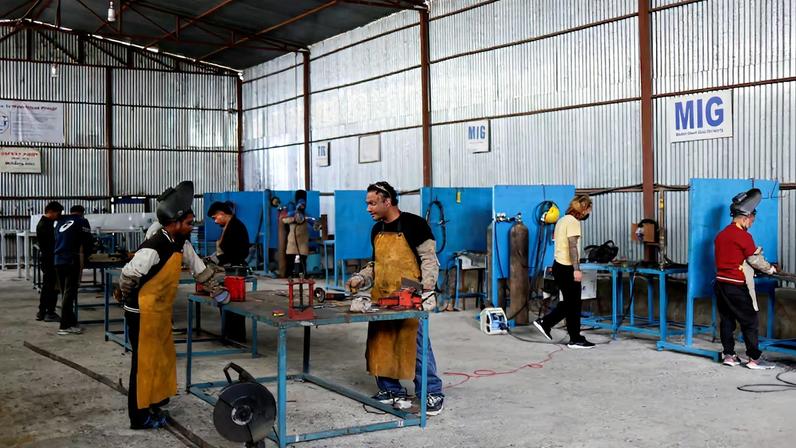
At a training centre in Kathmandu, Rahul Pariyar attaches a harness before practicing painting and cleaning high-rise façades in preparation for work in the United Arab Emirates. He notes that Dubai pays about four times more than Nepal, though he would rather stay with his family.
Nepal has the highest youth unemployment rate in the region, at 20.6%, according to World Bank data. About three million Nepalis of a 30 million population work abroad, mainly in the Middle East, with around 1,500 leaving daily to seek foreign jobs, per the RSMN.
The exodus gained pace amid political instability and weak domestic job creation, say recruiters and economists. Officials point to decades of policy volatility, infrastructure gaps and a shift from agriculture to services as key factors.
Promessas partidárias
Rastriya Swatantra Party, seen as the election frontrunner, pledges to create 1.2 million jobs to curb forced migration. The Nepali Congress promises 1.5 million jobs and a 50% reduction in outbound workers within five years.
Analysts remain cautious about delivery, noting that political instability and coalition cycles complicate reform. An economist highlights that manufacturing has declined while services and remittances dominate growth.
Remittances remain large, with 1.44 trillion Nepalese rupees sent in the 2024 fiscal year, about 25% of GDP, underscoring the country’s reliance on foreign income rather than domestic job creation.
Desafios estruturais
Even with employment gains, under-employment and insufficient wages persist in many sectors. Experts say the gap between effort and earnings drives migration, reinforcing the cycle of overseas work for Nepali youth.
At Kathmandu’s main airport, aspirations mix with financial pressures as a 31-year-old breadwinner prepares for work in Europe, explaining that inflation and debt limit options beyond migration.




Entre na conversa da comunidade